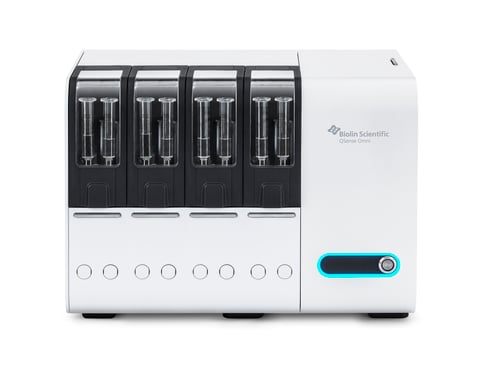
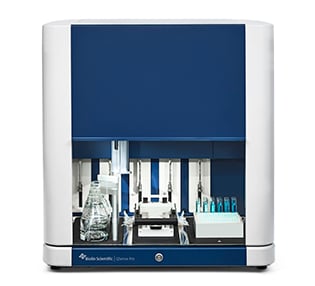
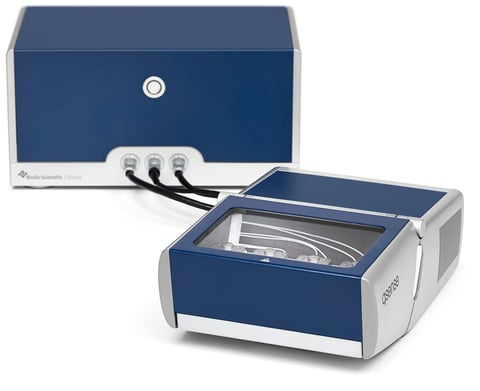
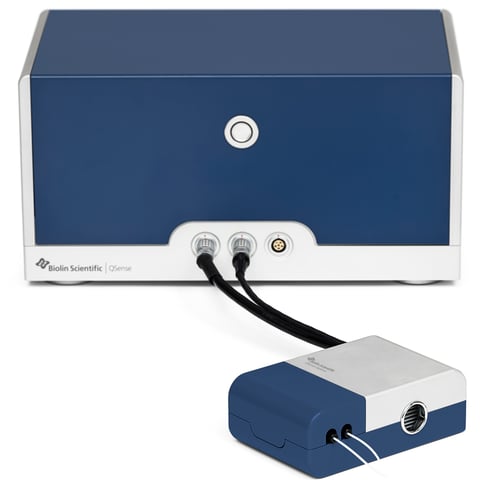
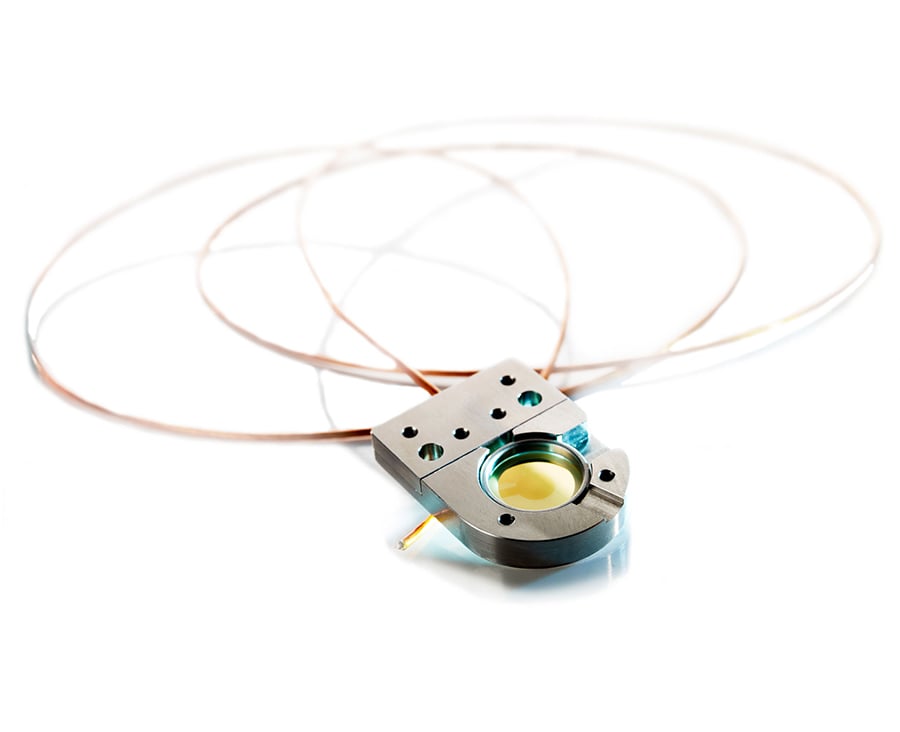
Not sure which QCM-D instrument you need?

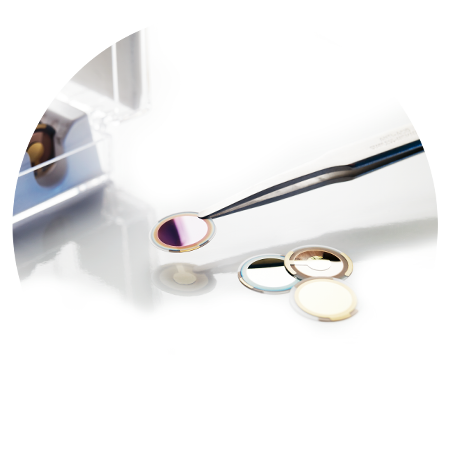
We have the widest range of quality sensors on the market, and we can customize both materials and coatings based on your wishes. 

"QCM-D technology is a key part of our biointerfacial science research that spans fundamental biomacromolecular investigations to applied studies involving antiviral drug development. The QSense instruments, which we have used for nearly two decades, are robust and can track complex biological phenomena in real-time and with label-free readouts that have helped us to deeply characterize a wide range of systems related to proteins and lipid membranes. Together with our analytical modeling efforts, there is a really bright future to continue applying QCM-D technology in new directions across many important scientific disciplines."

"Using QSense measurement tools, our lab has investigated many very interesting protein and lipid systems in aqueous and non-aqueous environments and the QCM-D measurement capabilities have proven critical to study molecular-level interaction behaviors at solid-liquid interfaces. One of the most exciting examples has involved antimicrobial lipids, in which case the QCM-D technique has proven extremely useful to distinguish the mechanisms of action of different compounds interacting with membrane-mimicking supported lipid bilayers. Such mechanistic distinctions were seen for the first time by the QCM-D technique, demonstrating its potential to complement and in some cases surpass the analytical capabilities of traditional biological assays. Looking forward, we see enormous potential to translate fundamental insights obtained from QCM-D measurements into numerous applications across the healthcare, biotechnology, and agricultural spaces among various opportunities."